

Rüstem Pasha Mosque Restoration, Istanbul
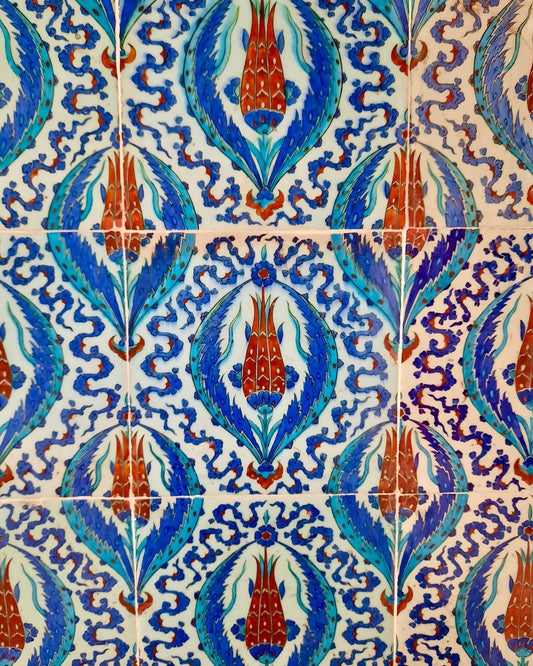
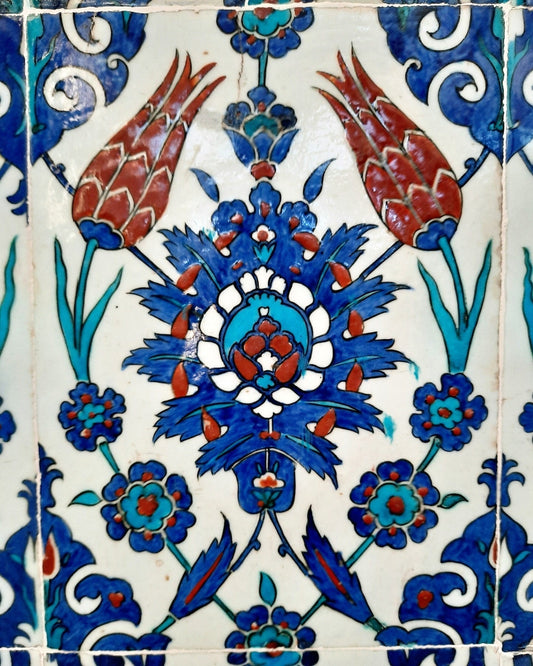
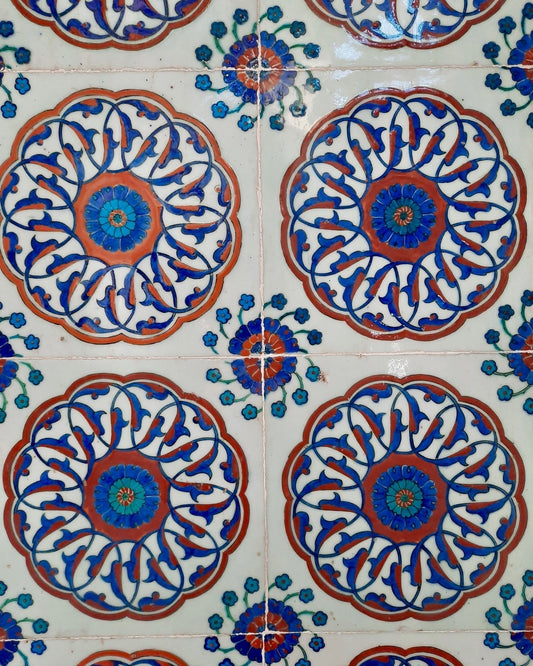
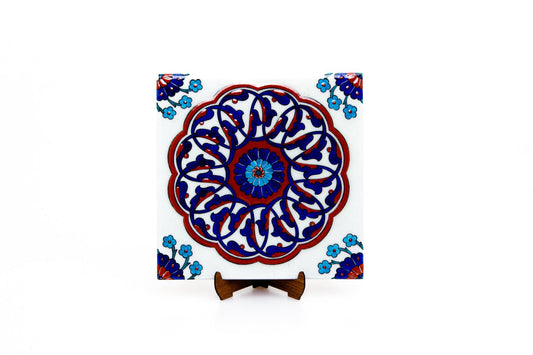
As part of the Rustem Pasha Mosque Istanbul restoration, İznik Mavi Çini undertook the reproduction of tiles used on the mosque’s exterior walls. The work carried out on this structure designed by Mimar Sinan focused on preserving the original tile continuity of the mosque. All reproduced tiles were handled in accordance with the existing architectural composition.


Why are the tiles of the Rustem Pasha Mosque significant?
The Iznik tiles used in the mosque represent one of the most concentrated examples of tile application in Ottoman architecture. Their extensive presence defines the visual identity of the structure.
What was İznik Mavi Çini’s role in this restoration?
İznik Mavi Çini was responsible for producing the tiles used on the mosque’s exterior walls. The work was carried out in accordance with the principle of material and visual compatibility.
Which areas were addressed in the tile restoration?
The restoration focused on tile surfaces located on the exterior walls of the mosque. Production was evaluated in line with the existing façade layout.
What was the primary objective of the restoration?
The objective was to preserve the original tile continuity of the Rustem Pasha Mosque. The work aimed to ensure architectural and material consistency.
The Iznik tiles used in the mosque represent one of the most concentrated examples of tile application in Ottoman architecture. Their extensive presence defines the visual identity of the structure.
What was İznik Mavi Çini’s role in this restoration?
İznik Mavi Çini was responsible for producing the tiles used on the mosque’s exterior walls. The work was carried out in accordance with the principle of material and visual compatibility.
Which areas were addressed in the tile restoration?
The restoration focused on tile surfaces located on the exterior walls of the mosque. Production was evaluated in line with the existing façade layout.
What was the primary objective of the restoration?
The objective was to preserve the original tile continuity of the Rustem Pasha Mosque. The work aimed to ensure architectural and material consistency.
×
❮
![Project image]() ❯
❯
You May Also Like Collections
Request a quote for a similar project
We make handmade Iznik tiles in custom sizes and patterns for hotels, restaurants, mosques, residences and corporate spaces. Fill in the form and our team will get back to you.